One Bad Emotion Can Change Your Whole Trade
What if the biggest risk in trading is not the market, but your own emotions?
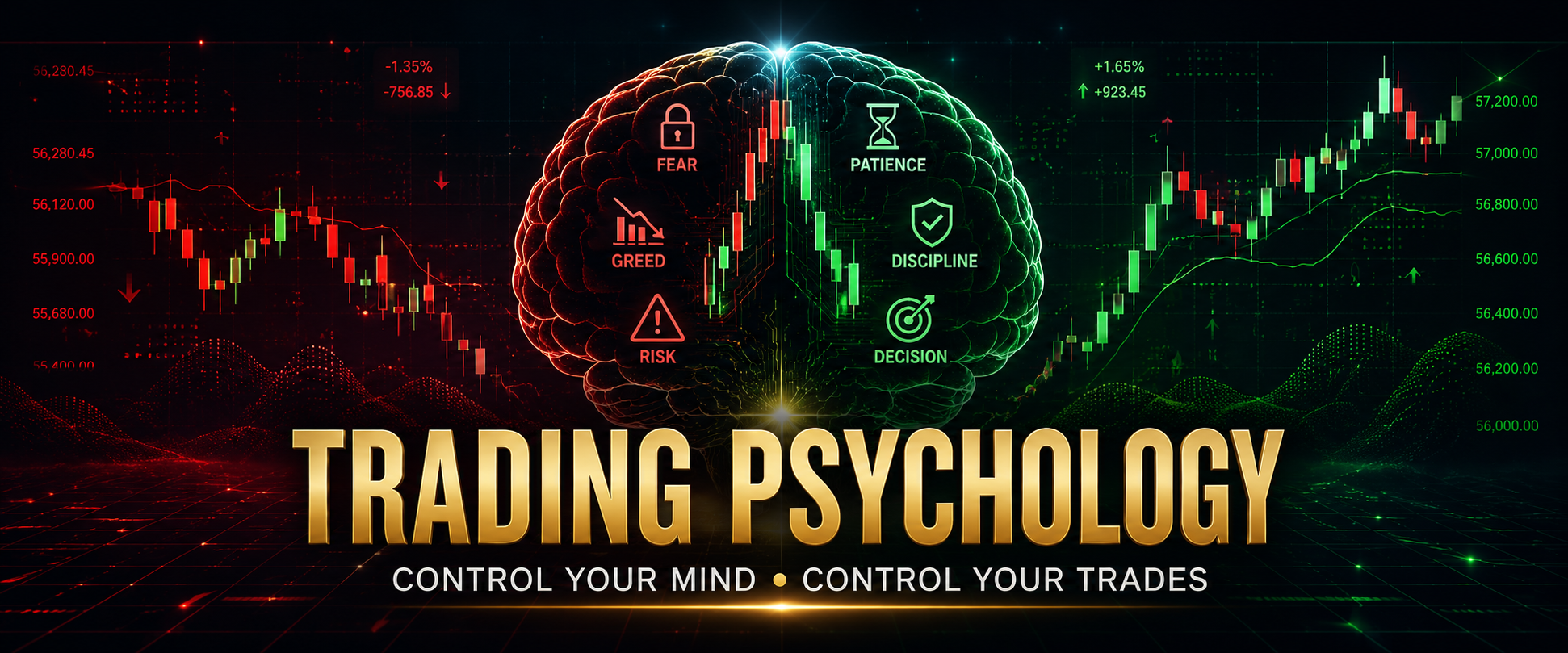
You can have a good strategy, a clean chart, and a strong setup. But fear, greed, and impatience can still turn a good trade into a bad one. This is why trading psychology is so important.
Trading psychology means how you think, feel, and act while trading. It affects every decision you make before, during, and after a trade.
At Daily Duniya, our home for daily market updates, we cover market moves, trading ideas, and financial topics in simple language. This update looks deeper at the mindset behind every trade.
What Is Trading Psychology?
Trading psychology is the mental side of trading. It is about your emotions, habits, confidence, patience, and discipline.
Markets move up and down every day. Sometimes prices rise fast. Sometimes they fall without warning. These moves can make you feel excited, scared, or worried.
Your reaction to these feelings can change your trading decisions.
For example, you may see a stock moving higher and quickly buy because you fear missing the move. This is called FOMO, or the fear of missing out.
You may also hold a losing trade because you hope the price will come back. Both actions can hurt your results.
Good trader psychology helps you stay calm and follow your plan instead of reacting to every market move.
Why Trading Psychology Matters
Many traders think success comes only from finding the perfect strategy. But a strategy is only useful when you can follow it with discipline.
Imagine your trading plan says to risk only a small amount on each trade. Then you lose two trades in a row. You become angry and decide to take a much bigger trade to recover the money.
That is not a strategy problem. It is a mindset problem.
Strong psychology of trading can help you:
- Stay patient during slow markets
- Avoid emotional decisions
- Control fear and greed
- Accept small losses
- Follow your trading plan
- Avoid overtrading
- Think clearly after a losing trade
Trading is not about winning every time. No trader wins every trade. The goal is to make smart decisions over many trades.
Fear and Greed Can Control Your Decisions
Two of the strongest emotions in trading are fear and greed.
Fear can make you close a good trade too early. It can also stop you from taking a trade that matches your plan.
Greed can make you take too many trades. It can also make you risk more money because you want a bigger profit.
For example, you buy a stock after a strong move. The price rises quickly. Instead of following your exit plan, you think it will keep going forever.
Then the market turns.
This is where a strong trader mindset matters. You need to understand that markets do not move in a straight line.
A simple rule can help: Do not let one trade control your emotions.
Your next trade should be based on your plan, not on what happened in your last trade.
How to Build a Strong Trading Mindset
A strong trading mindset does not appear overnight. You build it through practice, patience, and good habits.
Start by creating a simple trading plan. Know why you are entering a trade, where you will exit, and how much you are willing to lose.
You should also keep a trading journal. A journal is a simple record of your trades. Write down what you traded, why you entered, and how you felt.
Over time, you may notice patterns in your behavior.
For example, you may discover that you trade too much after a loss. Or you may notice that you enter trades when you feel bored.
These small discoveries can help you improve.
Try to follow these habits:
- Have a clear trading plan
- Set a risk limit before entering
- Do not chase fast price moves
- Take breaks after big losses
- Review your trades regularly
- Focus on the process, not one result
Remember, trading mindset is built by doing the right things again and again.
Market Knowledge Is Not Enough
You can study charts for hours. You can read daily trading news and follow market trends. You can watch stock updates and learn market analysis from experienced traders.
All of this can help.
But knowledge alone does not guarantee good trading decisions.
You may know that a trade has a high risk, but still enter because you want quick profit. You may know that you should use a stop-loss, but move it because you do not want to accept a loss.
This is why trading psychology and risk management work together.
Risk management means controlling how much money you can lose on a trade. It protects your account when the market does not move as expected.
The stronger your mindset, the easier it becomes to respect your risk rules.
And when you understand both the market and yourself, you become a more prepared trader.
Follow the Market, But Control Yourself
Trading can be exciting. Every new candle can make you feel that something big is about to happen.
But you do not need to trade every move.
Sometimes the best trade is no trade.
If the market does not match your plan, wait. If you feel angry, step away. If you are chasing a move because everyone else is talking about it, slow down.
Good traders understand that patience is also a trading skill.
For quick market tips, charts, and daily highlights, follow our Bull & Bear Whispers Instagram page. It is an easy way to stay connected with market trends, trading news, and useful ideas.
But always remember: information is not a signal to trade. Do your own research and make decisions based on your plan and risk level.
The Real Battle Is Inside Your Mind
Trading psychology is important because trading is not only a battle against the market. It is also a battle against your own habits.
Fear will appear. Greed will appear. Losses will happen. Bad trades will happen.
The key is how you respond.
A strong trader does not try to remove every emotion. Instead, they learn how to control their actions when emotions appear.
You do not need to be perfect. You need to be consistent.
Build your trading mindset one trade at a time. Follow your rules. Protect your money. Learn from your mistakes.
The market will always create new opportunities. Your job is to stay disciplined enough to be ready for them.
For exclusive updates, real-time alerts, and more content like this, join our Bull & Bear Whispers WhatsApp channel through our WhatsApp channel link.
Stay informed. Stay disciplined. Trade with a plan — not with your emotions.