Fear and Greed in Trading: The Real Battle
What if your biggest trading loss is not caused by the market, but by your own emotions?
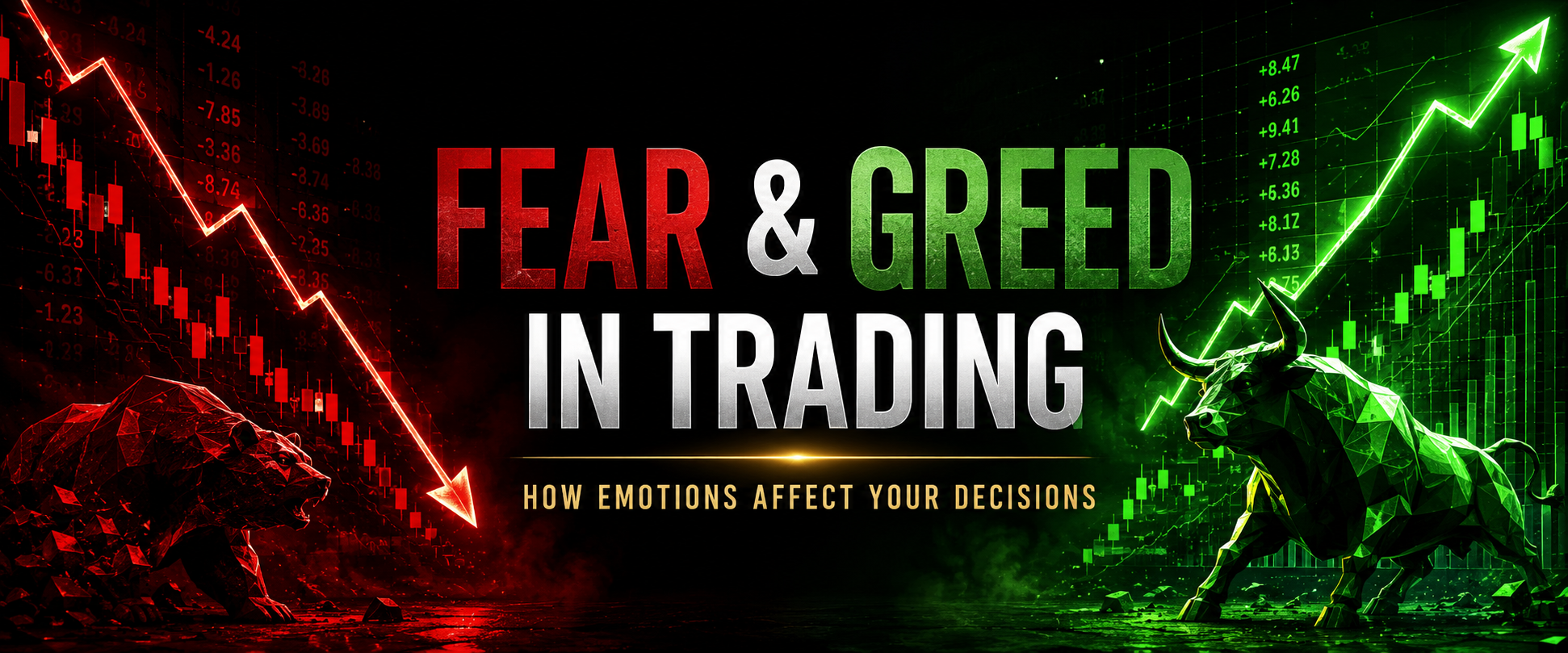
Fear and greed in trading can make smart traders make bad choices in seconds. You may know your plan, but emotions can push you to ignore it.
Trading is not only about charts and prices. It is also about controlling your mind. When fear takes control, you may close a good trade too early. When greed takes control, you may stay in a trade for too long.
This update is covered in more depth on Daily Duniya, our home for daily market updates, trading news, and simple market analysis.
Understanding your emotions is one of the first steps toward becoming a stronger trader.
How Fear Changes Your Trading
Fear in trading is very common. You feel it when the market moves against you or when you see a sudden drop in price.
Fear can make you think about losing money instead of following your plan. You may close a trade too soon because you are scared of losing more.
Sometimes, fear can also stop you from taking a good trade. You may see a strong setup, but you do nothing because you remember an old loss.
Common signs of fear include:
- Closing trades too early
- Avoiding good trading setups
- Moving your stop loss because of panic
- Checking your trade again and again
- Thinking every small market move means danger
Fear is not always bad. It can help you avoid careless decisions. The problem starts when fear becomes stronger than your trading plan.
Greed in Trading Can Be Just as Dangerous
Greed in trading often appears after a winning trade. You make some money and start thinking, “I can make even more.”
This feeling can make you take bigger risks. You may increase your trade size or enter another trade without a clear reason.
Greed can also make you ignore your profit target. Instead of taking a planned profit, you wait for a bigger gain. Then the market turns, and your profit can disappear.
Greed may look like:
- Taking too many trades
- Using too much money on one trade
- Chasing a fast price move
- Ignoring your exit plan
- Wanting to recover or increase profits quickly
A trader who cannot control greed can turn a good day into a bad one very quickly.
The market does not reward you because you want more money. It rewards good decisions, patience, and discipline.
Trading Emotions Can Control Your Decisions
Trading emotions do not only mean fear and greed. Many feelings can affect your decisions.
Hope can make you hold a losing trade because you believe the price will come back. Anger can make you enter another trade after a loss just to get your money back.
This is often called revenge trading. It means trading because you are angry about a previous loss instead of trading because there is a good setup.
Overconfidence can also become a problem. After several winning trades, you may start believing that you cannot lose.
This can lead to bigger trades and weaker decisions.
Remember this simple rule:
Your emotions should never be stronger than your trading plan.
Before every trade, ask yourself:
- Why am I entering this trade?
- Where will I exit if I am wrong?
- How much money can I lose?
- Am I following my plan or my emotions?
These questions can help you slow down before making a costly decision.
Emotional Trading vs. Smart Trading
Emotional trading happens when feelings control your actions. Smart trading happens when your decisions follow a clear plan.
For example, imagine you buy a stock because the price looks strong. Soon after, the price falls.
An emotional trader may panic and close the trade without checking the original plan.
A disciplined trader looks at the setup and asks whether the reason for entering the trade is still valid.
This does not mean a disciplined trader never loses. Losses are part of trading.
The goal is not to win every trade. The goal is to manage risk and make better decisions over time.
Good traders understand that one trade does not define their success.
They focus on the process, not just the result.
Simple Ways to Control Trading Emotions
You do not need to remove emotions completely. You need to learn how to manage them.
Start with a simple trading plan. Know your entry, exit, and risk before you enter a trade.
You can also keep a trading journal. A trading journal is simply a record of your trades and the reasons behind them.
Write down:
- Why you entered
- Where you exited
- How much you risked
- How you felt during the trade
- What you learned
Over time, you may notice patterns in your behavior.
You may discover that you trade too much after a loss. Or you may find that greed appears after several wins.
Taking breaks can also help. If you feel angry, scared, or too excited, step away from the screen.
A short break can help you think clearly again.
Build a Stronger Trader Mindset
The best way to handle fear and greed in trading is to build discipline before emotions become strong.
Do not trade just because the market is moving. Do not enter a trade because someone online says it will rise.
Use market trends, stock updates, trading news, and market analysis as information. Then make your own decision based on your strategy and risk level.
Also remember that social media can create pressure. You may see someone posting a big profit and feel that you are missing out.
That feeling is known as FOMO, or fear of missing out. It can push you into trades that you would normally avoid.
Your journey is different from another trader’s journey.
Focus on your own goals, your own risk, and your own progress.
For quick market tips, charts, and daily highlights, follow our Bull & Bear Whispers Instagram page and stay connected with the latest trading content from Daily Duniya.
Final Thoughts: Control Yourself Before the Market Controls You
Fear and greed will always be part of trading. You cannot remove them completely.
But you can learn to control how you respond to them.
Fear can make you run from good opportunities. Greed can make you chase profits. Anger can make you take revenge trades. Overconfidence can make you take risks you would normally avoid.
The strongest trader is not the person who never feels these emotions.
It is the trader who feels them but still follows the plan.
Control your emotions. Protect your capital. Trust your process.
If you want more trading insights, exclusive updates, real-time alerts, and direct access to more content like this, join our WhatsApp channel through the channel link and stay connected with Bull & Bear Whispers.
The market will test your strategy, but your emotions will test your discipline. Master yourself first.